Antonio Moreno ha emergido de su carrera en el para postularse para alcalde de un pequeño pueblo español. A sus 38 años, este ex actor de cine para adultos que interpretó a Héctor de Silva en películas como Hung Country y 2 Wet Editor’s Cut ha ganado con éxito las elecciones para servir a la pequeña comunidad en la que ahora vive. Moreno no elude hablar de su pasado en ningún momento. Atribuye gran parte de lo que aprendió durante ese tiempo a haber hecho él mismo películas para adultos.
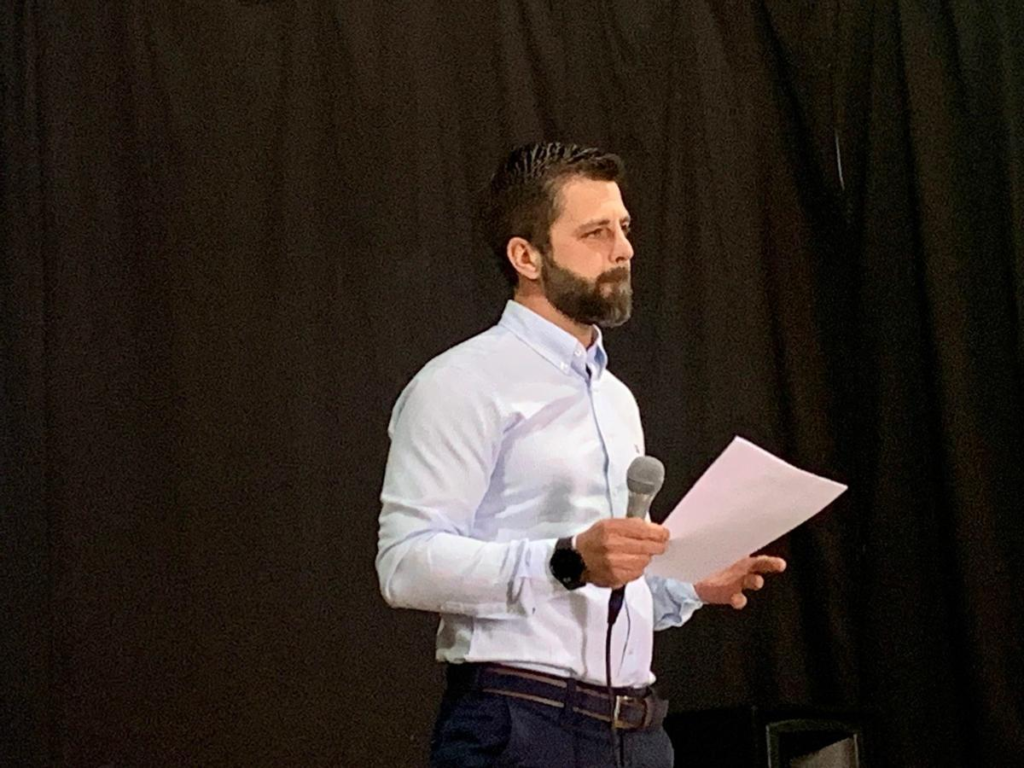
Con 38 años y actualmente trabajando como ganadero, Moreno se postula para alcalde de un pueblo rural español con solo 483 habitantes en las elecciones del 28 de mayo. Moreno se postula con el boleto de PP y no ha ocultado su pasado.
Rex trabaja como ganadero pero dice que quiere hacer su parte para ayudar al lugar que le dio vida y lo cuidó tan bien.
Su decisión de mudarse estuvo motivada en parte por un deseo de paz y tranquilidad después de retirarse de la pornografía y de los glory hole porn y ayudar a una familia cercana a administrar su pequeña granja.
Se dio cuenta de que había más posibilidades disponibles para reinventarse al mismo tiempo que podía ayudar a los demás
Después de comenzar su carrera como bombero forestal, pasó a la agricultura, donde conoció a alguien que lo convenció de postularse para alcalde en función de su afiliación política compartida. María Dolores Gómez Piqueras del PP (Partido Demócrata Cristiano Conservador que se opone al matrimonio homosexual en España) actualmente ocupa el cargo de alcaldesa, por lo que esta campaña podría resultar crucial para destituirla de su cargo.

Moreno no cree necesario llamar la atención sobre su pasado; en cambio, dice que le ha enseñado muchas lecciones de producciones de películas para adultos como Hung Country y 2 Wet, de las cuales obtuvo mucha perspicacia y conocimiento que le ha sido muy útil desde esos días.
Desde que se retiró del entretenimiento emo porn en 2018, ha trabajado principalmente como ganadero; sin embargo, también ha tenido éxito en la lucha contra incendios forestales y como boxeador aficionado. Ahora busca dejar su huella en la política, con la promesa de que su dedicación y ética de trabajo traerán tanta satisfacción en ese esfuerzo como lo hicieron durante su carrera en la pornografía.

Teniendo en cuenta su pertenencia al Partido Popular (PP), la candidatura de Moreno es un shock
Este partido anti-LGBTQ se ha opuesto al matrimonio entre personas del mismo sexo en España y bdsm porn y ha aprobado una legislación contra las personas LGBTQ. Moreno se enfrentará a alguien del izquierdista Partido Socialista de España (PSOE) durante las elecciones previstas para finales de este año.
La historia de Moreno es increíblemente cautivadora, dada su relación con su entrenador personal, Corbin. Moreno ha compartido numerosas fotos candentes de Corbin con sus seguidores y afirma que ha recibido «algunos consejos útiles para maximizar mis sesiones de entrenamiento».